
Vincenzo Ventapane
worked 1750–1800
Vincenzo Ventapane, active in Naples, Italy, from approximately 1750 to 1800, was a notable luthier associated with the Gagliano School. Presumed to be the uncle of Lorenzo Ventapane, he is regarded by some as the finest maker of his family, despite being less prolific. A pupil of Antonio and Raffaele Gagliano and Tomasso Eberle, his craftsmanship is characterized by carefully selected woods, elegant construction details like well-regulated outlines and 'c' bouts, and a fine yellow-brown varnish. His instruments, which often followed Stradivari, Gagliano, Eberle, and Amati models, are highly valued for their excellent tonal qualities. An example of his work is preserved in the Kunsthistorisches Museum, Vienna.
Maker Overview
Life
Vincenzo Ventapane (circa 1750-1800) worked in Naples, Italy. He is presumed to be the uncle of Lorenzo Ventapane., he is considered the best maker of the Ventapane family. However, John Dilworth notes that he was also the least prolific craftsman of the family.
Characteristics
- School
- Vincenzo Ventapane is associated with the Gagliano School.
- Workmanship
- His work is described by Karel Jalovec as 'beautiful and carefully finished,' exhibiting the typical features of the Neapolitan school. Sources contain conflicting information regarding the overall fineness of his work; John Dilworth states it was 'not remarkably fine work.'
- Models
- He worked on various patterns, including the Stradivari model (often of medium size), Gagliano, Eberle, and the Amati form.
- Materials
- The wood he used was almost always carefully selected.
- Construction Details
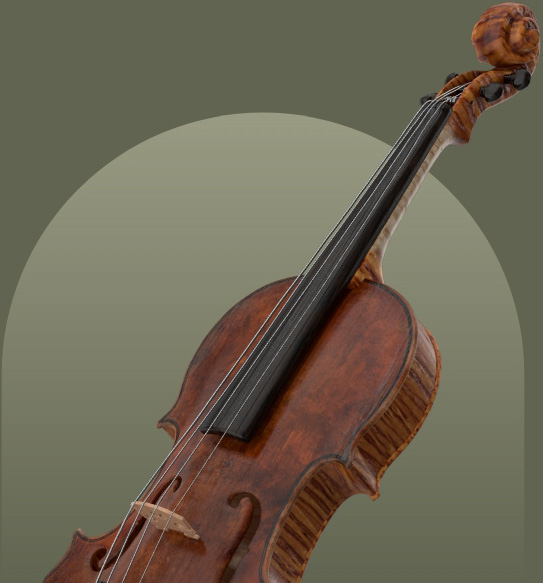
- His instruments feature a well-regulated outline with elegant 'c' bouts and long corners. The modelling is broad and flat. The purfling is finished in a tasteful way, and the edges are neatly rounded off. Soundholes are well disposed and neatly cut, generally featuring pointed 'pike head' shaped lower wings.
- Varnish
- He used a fine yellow- or yellow-brown varnish, which is also described as dark yellow, yellow or yellow-brown, or golden-orange or yellow-brown over a flat polished ground.
- Tone
- The instruments are sought after for their good or very good tone qualities.
Influence and legacy
- Mentorship: Vincenzo Ventapane was a pupil of one of the Gaglianos, specifically Antonio and Raffaele Gagliano, and also of Tomasso Eberle.
- Stylistic Influence: In some of his works, he reminds observers of Tomaso Eberle.
- Family Standing: He is considered the best maker of the Ventapane family.
- Preservation: A good original example of his work is preserved in the Kunsthistorisches Museum, Vienna.
Biographies
The overview above is drawn from the following published accounts. Read them in the original:
John Dilworth+
VENTAPANE, Vincenzo Worked circa. 1750-1800 Naples Italy. Presumed uncle of Lorenzo Ventapane, above. Pupil of Antonio and Raffaele Gagliano. Possibly the best craftsman of the family but also the least prolific. Not remarkably fine work. Amati form. Well-regulated outline with elegant ‘c’ bouts and long corners. Broad flat modelling. Soundholes well disposed and neatly cut, generally with pointed ‘pike head’ shaped lower wings. Golden-orange or yellow-brown varnish over a flat polished ground. Good original example in the Kunsthistorisches Museum, Vienna. [Hopfner]
Willibald Leo Lütgendorff+
Gute Gagliano-Schule. Er ahmt das Stradivari-Modell (mittlere Grosse) nach und hat einen gelben oder gelbbraunen Lack. Der Ton ist gut. In manchen Arbeiten erinnert er an Tomaso Eberle.
Henri Poidras+
Gagliano School. The instruments by this good maker are sought after for their tone qualities. Stradivarius model. Dark yellow varnish.
Karel Jalovec+
Naples, 1750—1799. Pupil of one of the Gaglianos and of Tomasso Eberle. His work is beautiful and carefully finished. Every instrument shows the typical features of the Neapolitan school, although he worked on various patterns (Stradivari, Gagliano and often Eberle). The wood is almost always carefully selected, the purfling finished in a tasteful way, the edges neatly rounded off. He used a fine yellow- or yellow brown varnish. The tone is very good. He is considered as the best maker of the Ventapane family. Price 40.000 Kc.
Sell your instrument with Amati
Get started by uploading photos of your instrument for our experts to review.
Sell your instrument with Amati
Get started by uploading photos of your instrument for our experts to review.
Family
Lorenzo Ventapane Nephew